Why Baling Your Recycling Materials Changes Everything
Most businesses treat recycling like trash.
Everything goes into a bin. It gets picked up and the bill keeps coming.
The problem is, recycling should not cost you money.
Handled correctly, it should reduce costs, improve efficiency, and even generate value for your business.
Most traditional recycling setups rely on loose material being thrown into bins or dumpsters. Cardboard, plastic, and aluminum take up space quickly, even when they are not fully utilized. That leads to frequent pickups, overflow issues, inefficient storage, and higher monthly bills.
And the worst part?
You are paying to haul material that actually has value.
Loose recycling is expensive because it creates a system you cannot control. Pickups happen on a fixed schedule whether you need them or not, and you end up paying for wasted space and unnecessary service.
Baling changes that.
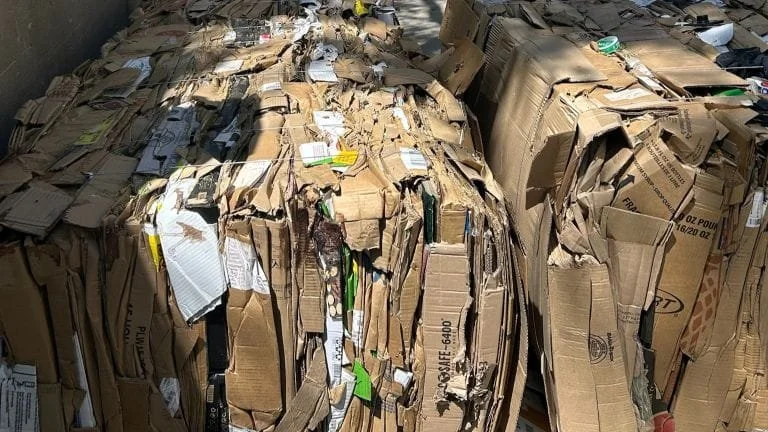
With a baler in place, recyclable materials are compressed into dense, uniform bales. Instead of loose material taking over your space, everything becomes organized, contained, and easy to manage.
This simple shift changes everything.
You now have reduced volume, controlled pickups, and a system built around your actual usage. Fewer hauls mean lower costs, and your operation becomes more efficient from the ground up.
More density also means more value.
Recyclers prefer baled material because it is easier to transport and process. That leads to higher rebates, better pricing, and faster turnaround times. Instead of paying to remove recyclables, your business can start generating returns from the material you already produce.
Beyond cost savings, baling improves day to day operations.
Facilities become cleaner and more organized. Workspaces are safer. Loading areas are more efficient. And you eliminate the common problem of overflowing bins sitting in your parking lot.
This is why more businesses are switching to baler based recycling programs.
They are looking for ways to cut costs, improve efficiency, and support sustainability goals without adding complexity to their operations.
RME takes it a step further by adding data behind every bale.
With detailed reporting on weights, volumes, and performance, you gain full visibility into your waste stream. This allows you to track progress, make smarter decisions, and take real control of your recycling program.
It is not just about recycling.
It is about running a smarter, more efficient business.