How Businesses Are Overpaying for Waste (And Don’t Even Know It)
Most businesses think their waste bill is just part of doing business.
It shows up every month.
It goes up over time.
And no one really questions it.
But here’s the reality most companies miss.
You’re not paying for waste.
You’re paying for space and frequency.
Every time your dumpster gets picked up, you’re charged whether it’s full or not. That means half full containers are costing you the same as full ones. Add in fuel surcharges, environmental fees, and overage penalties, and suddenly your “simple” waste bill becomes one of your most inefficient expenses.
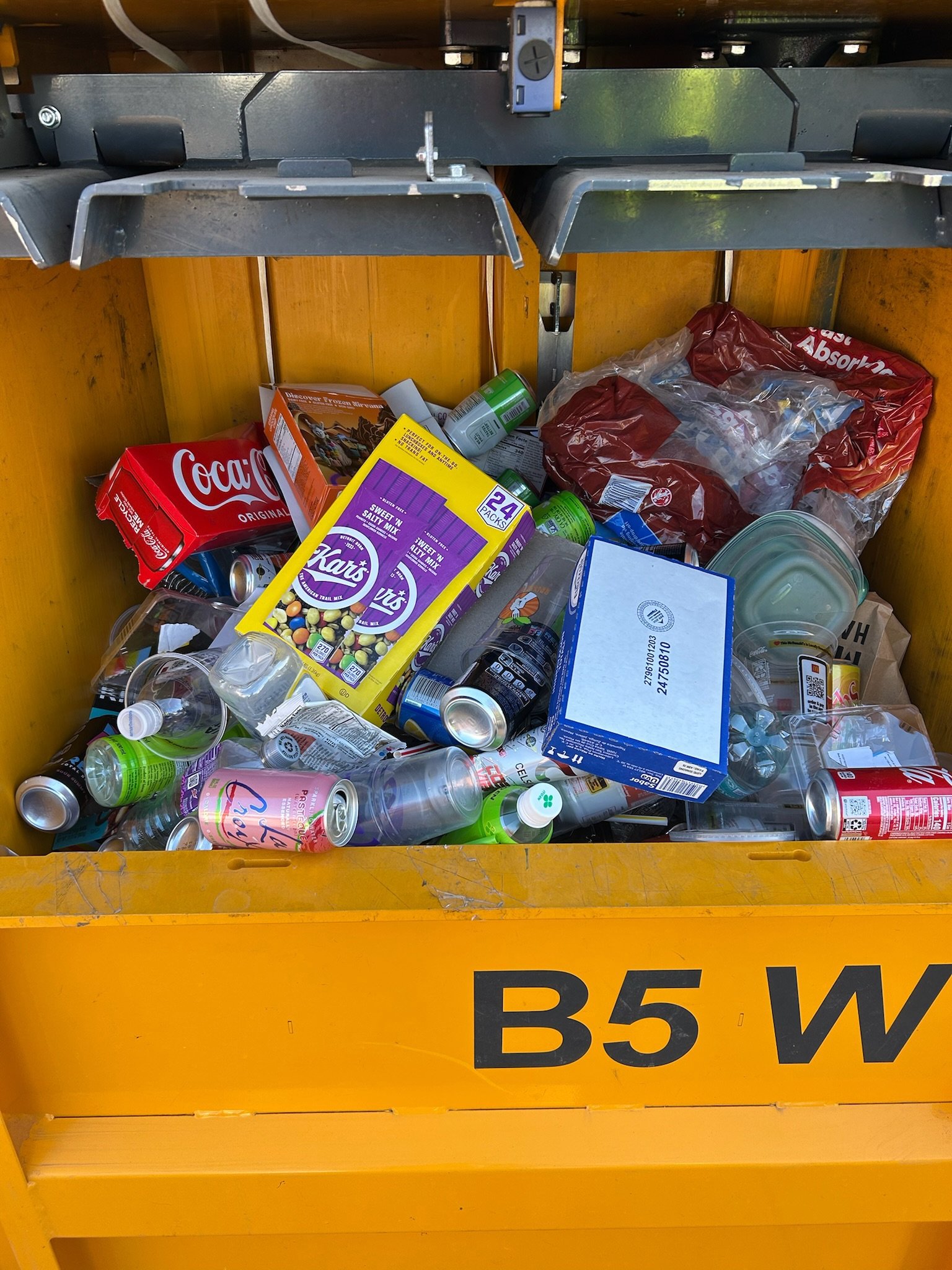
This is especially common in commercial recycling services, where businesses rely on loose collection methods instead of optimizing their system.
The Hidden Cost of Loose Recycling
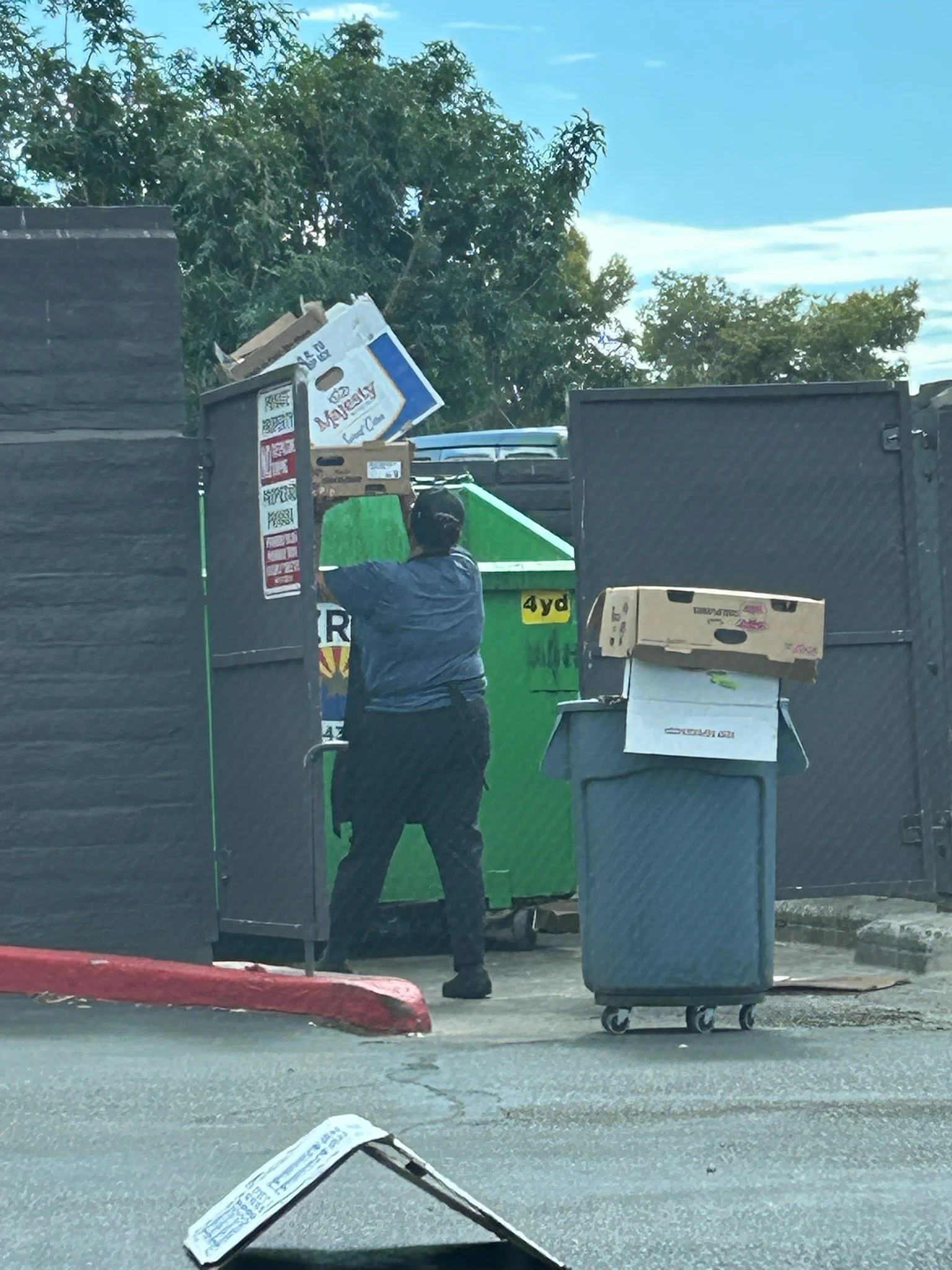
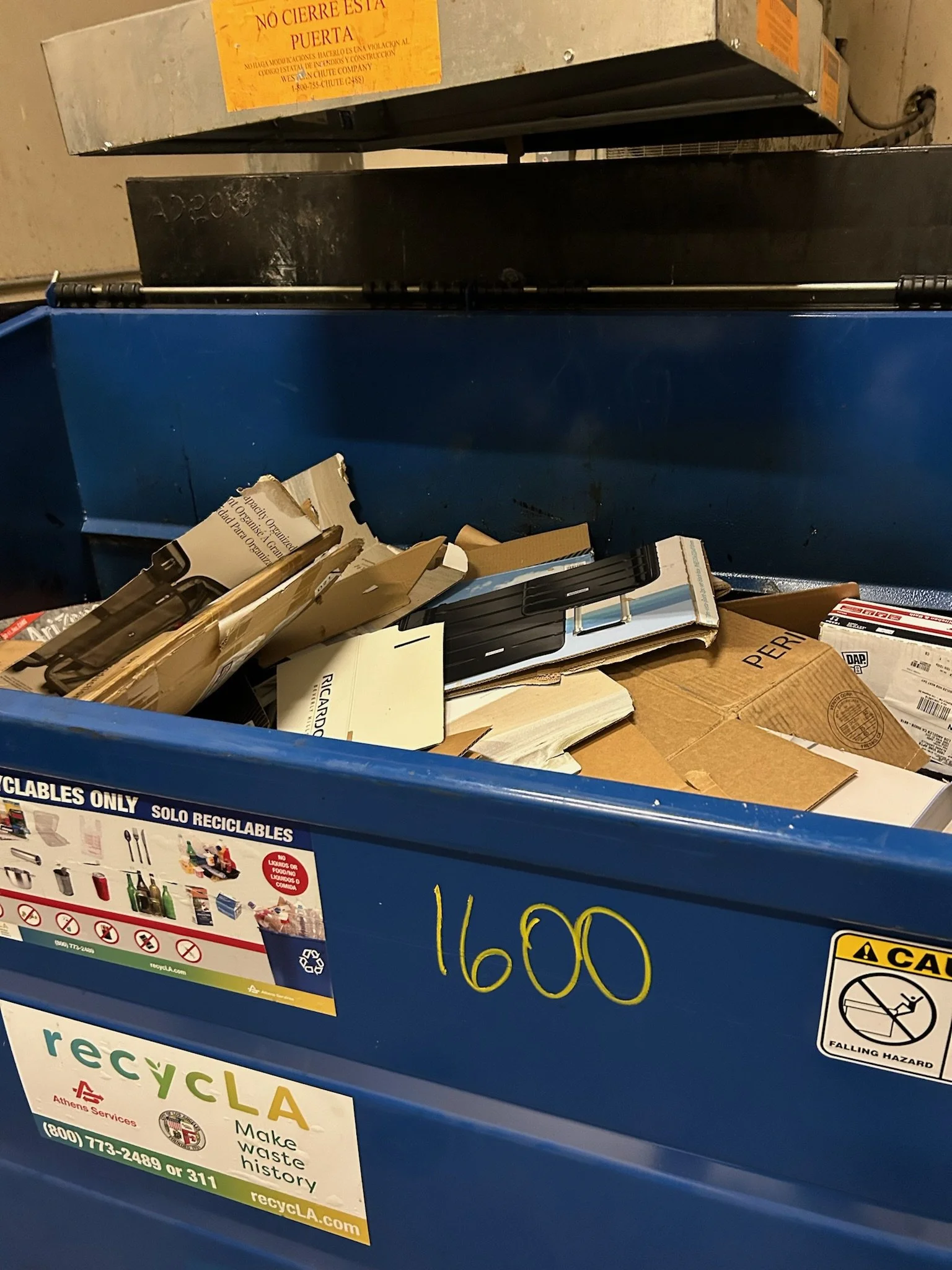
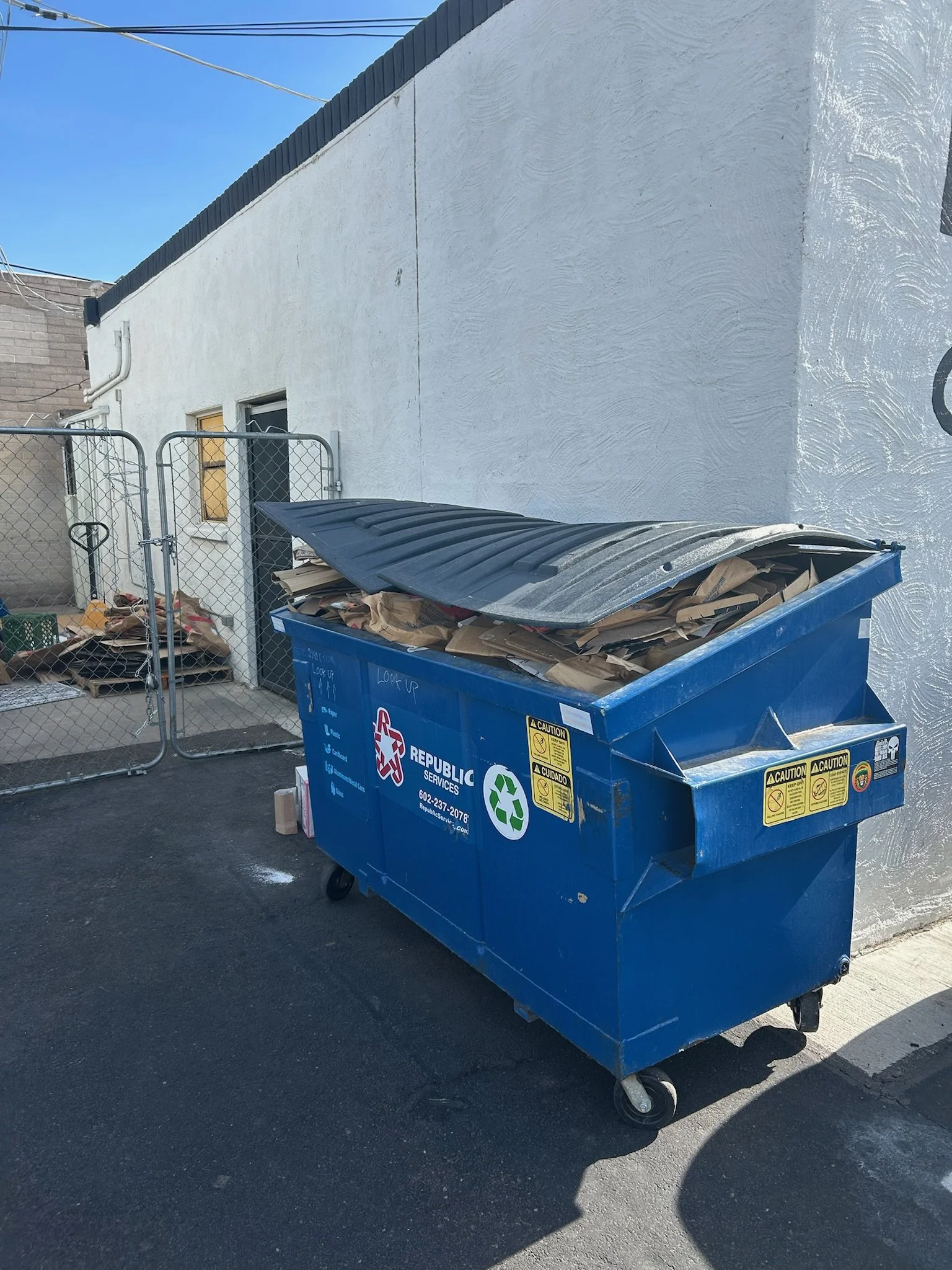
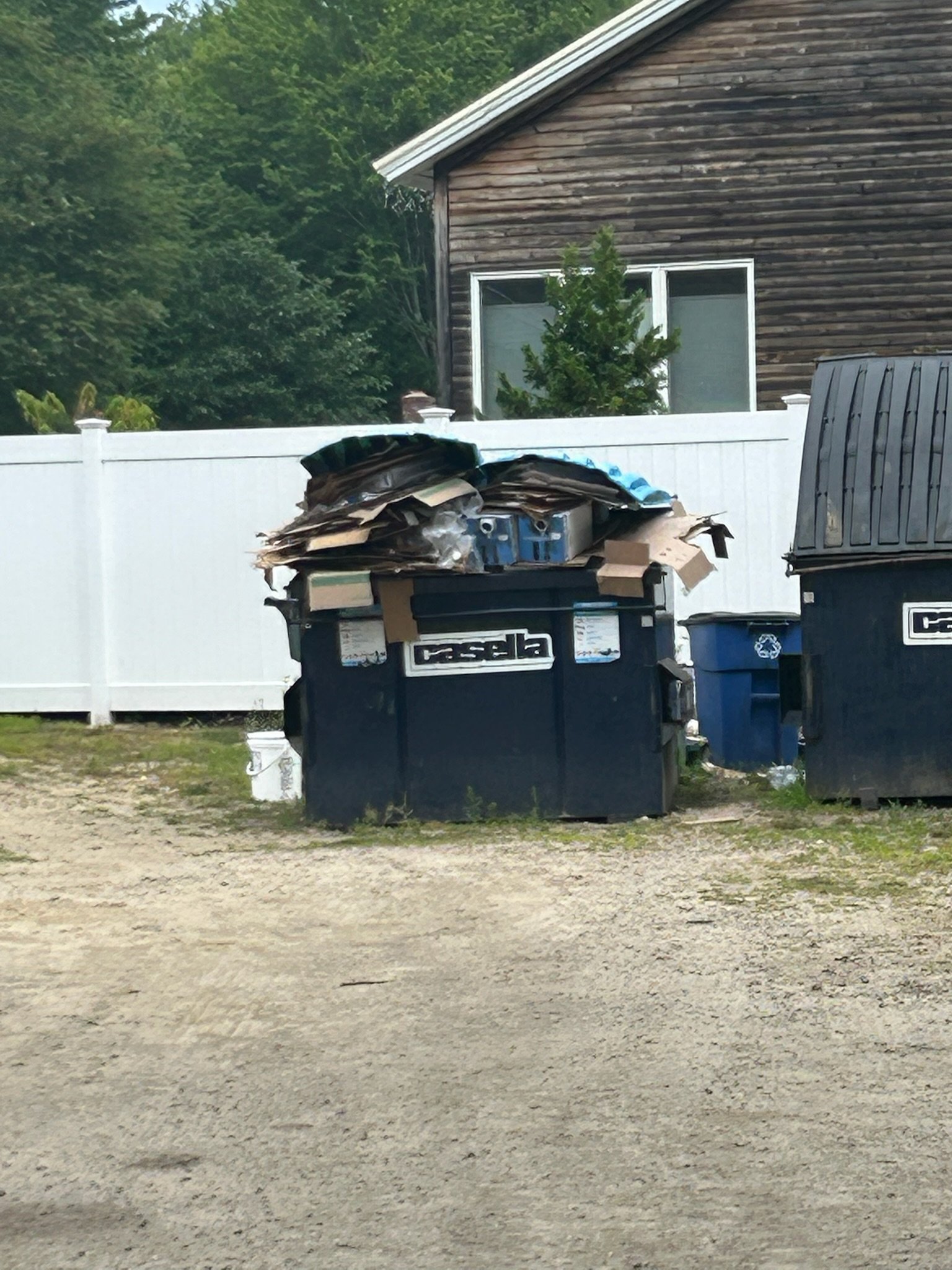
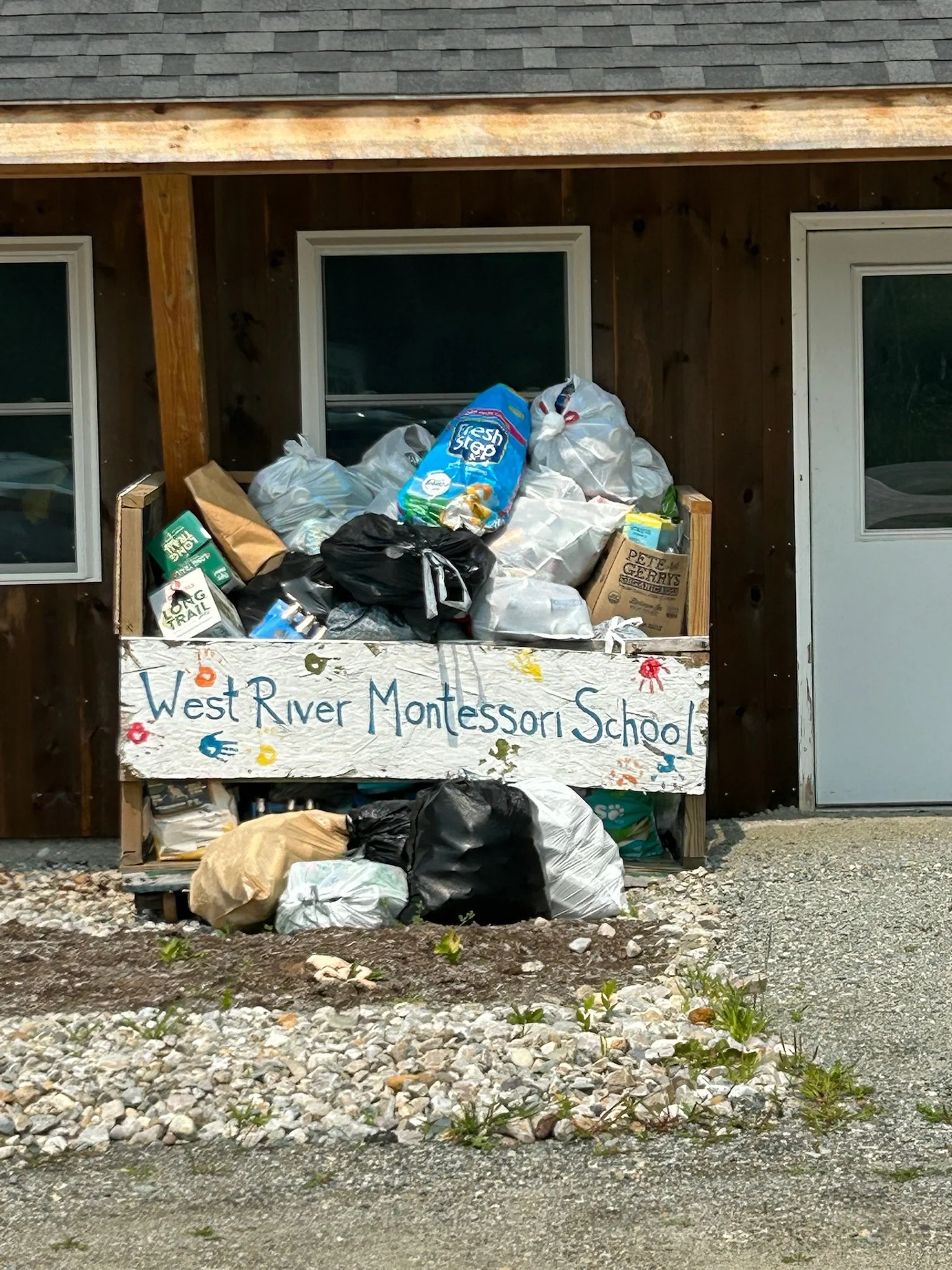
Loose cardboard, plastic, and aluminum take up a massive amount of space.
That leads to:
More frequent pickups
Overflowing bins
Extra charges and emergency hauls
Inefficient use of your space
Most businesses are stuck in a cycle of reacting to waste instead of controlling it.
And that’s exactly what waste providers count on.
Why the Traditional Model Fails
The traditional waste model is built around volume and frequency.
The more often you get serviced, the more you pay.
There’s no incentive for efficiency.
There’s no incentive for reduction.
Which means you keep paying more over time.
How RME Changes the System
RME flips that entire model.
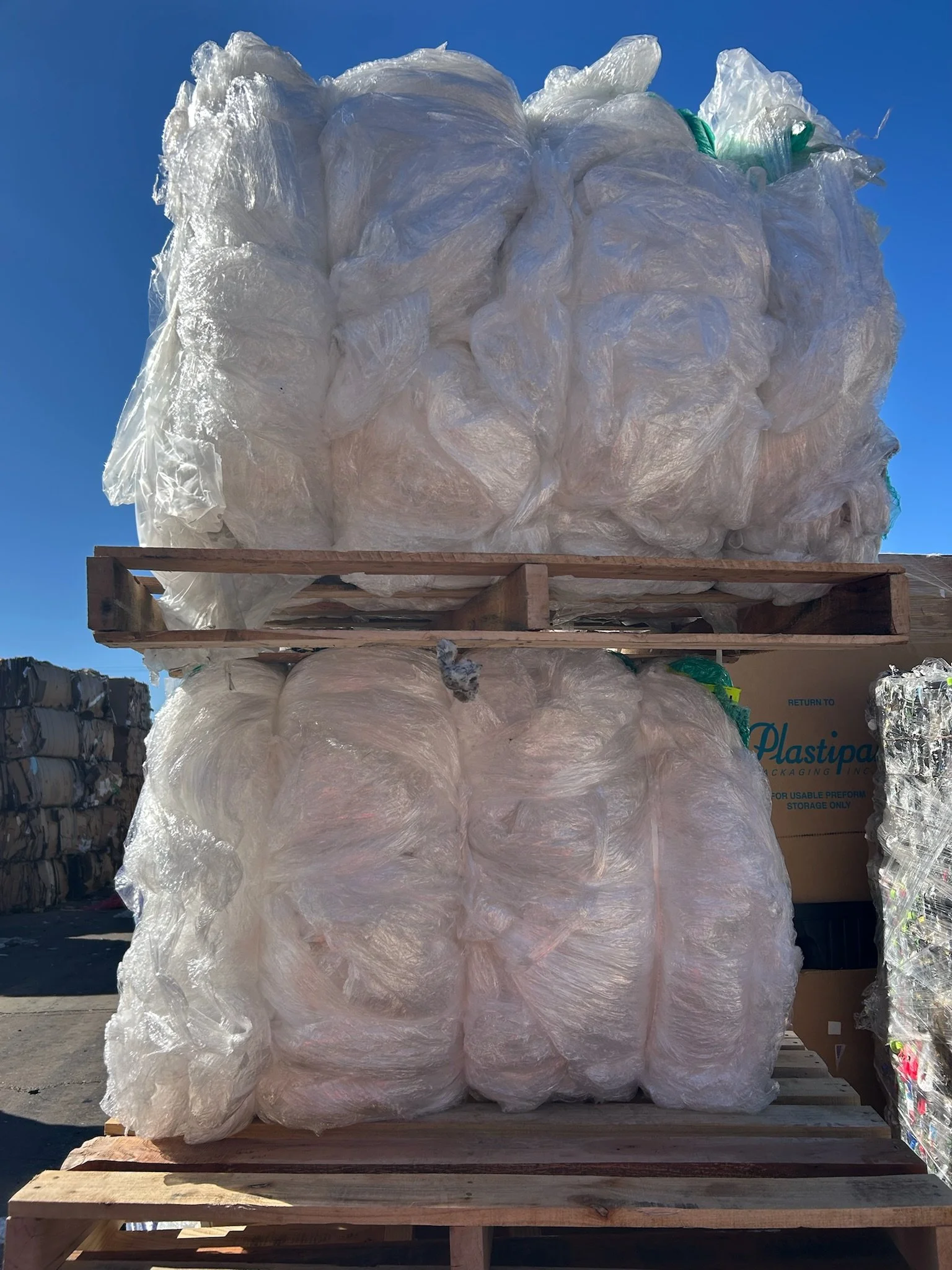
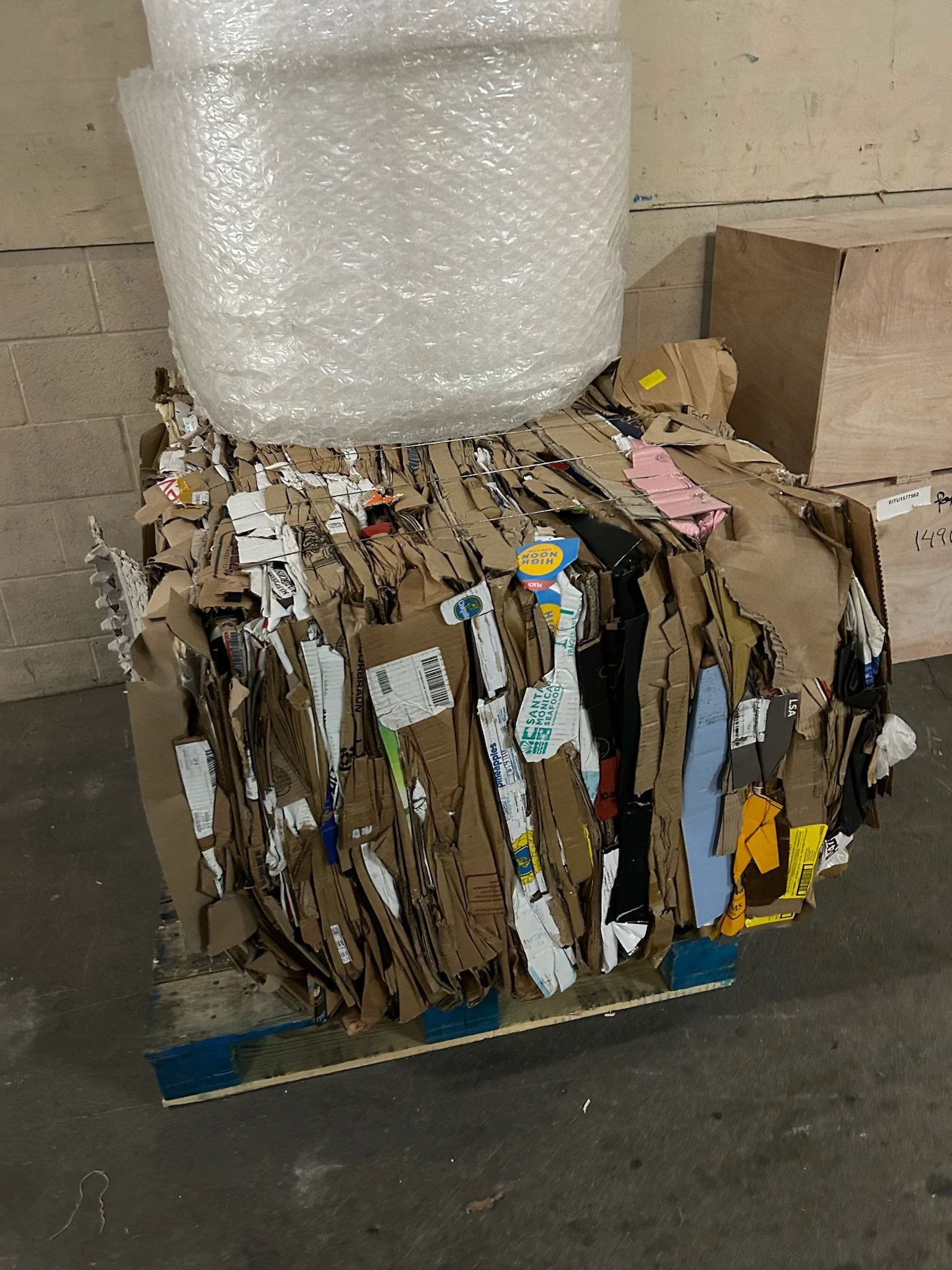
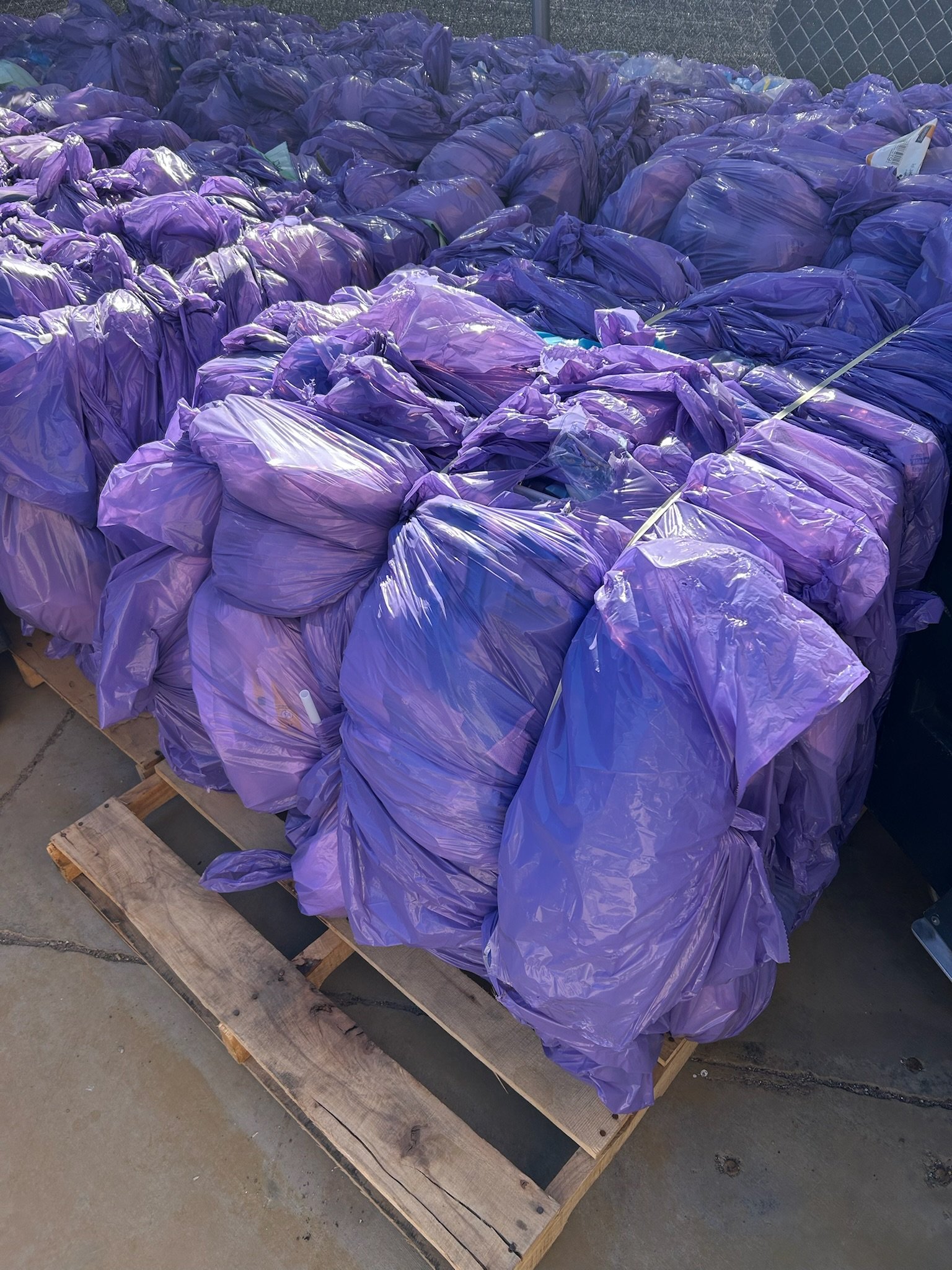
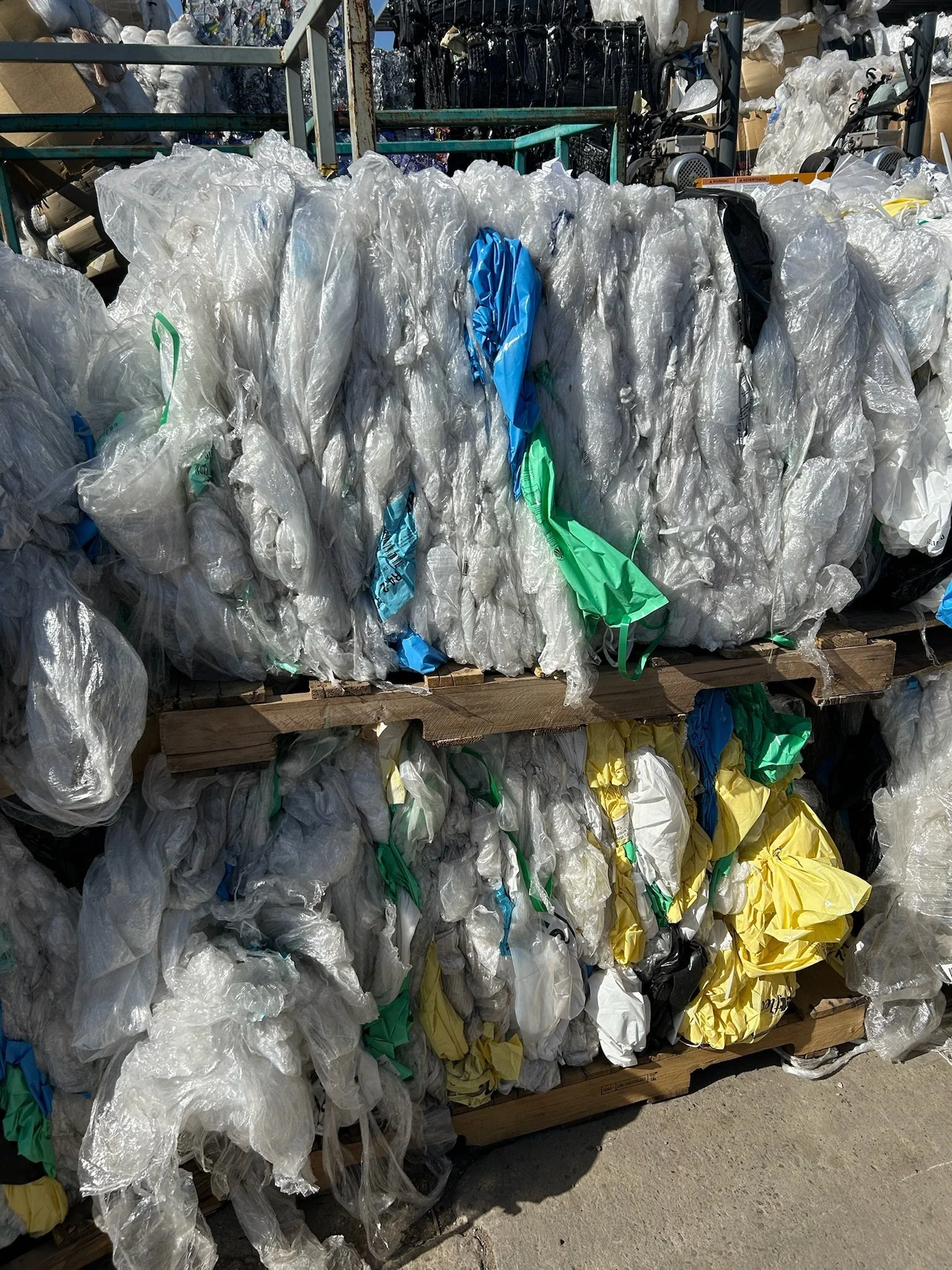
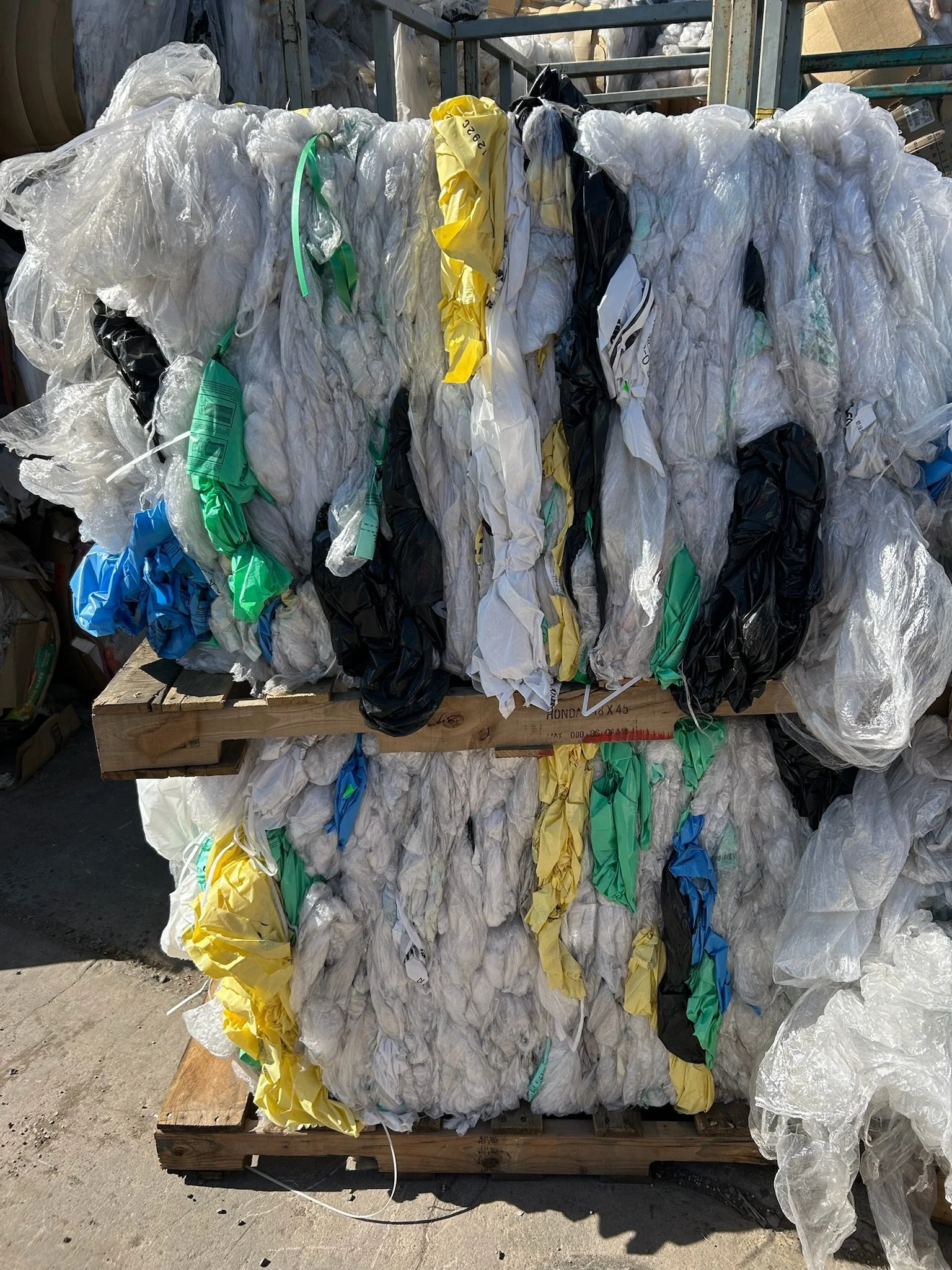
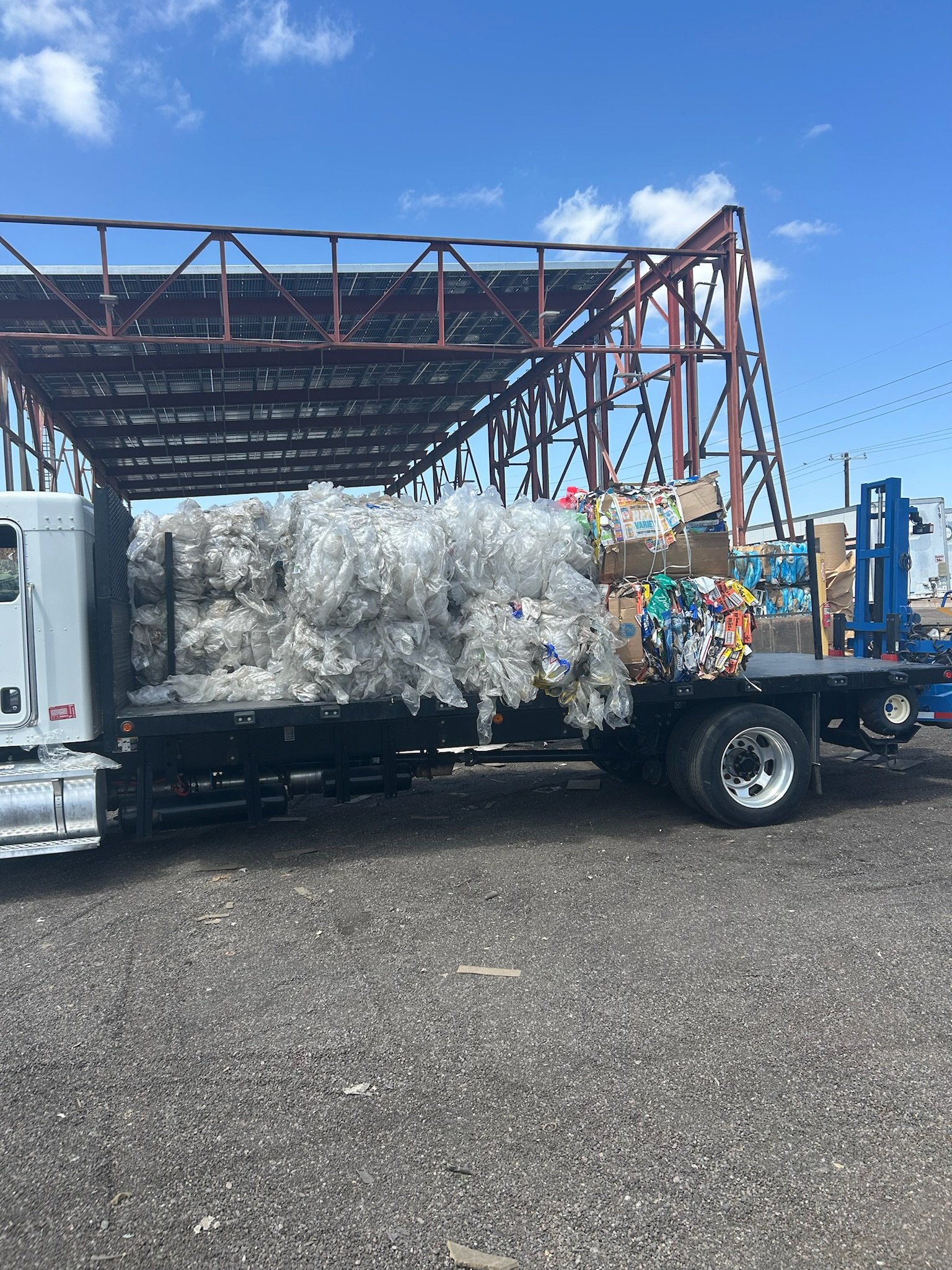
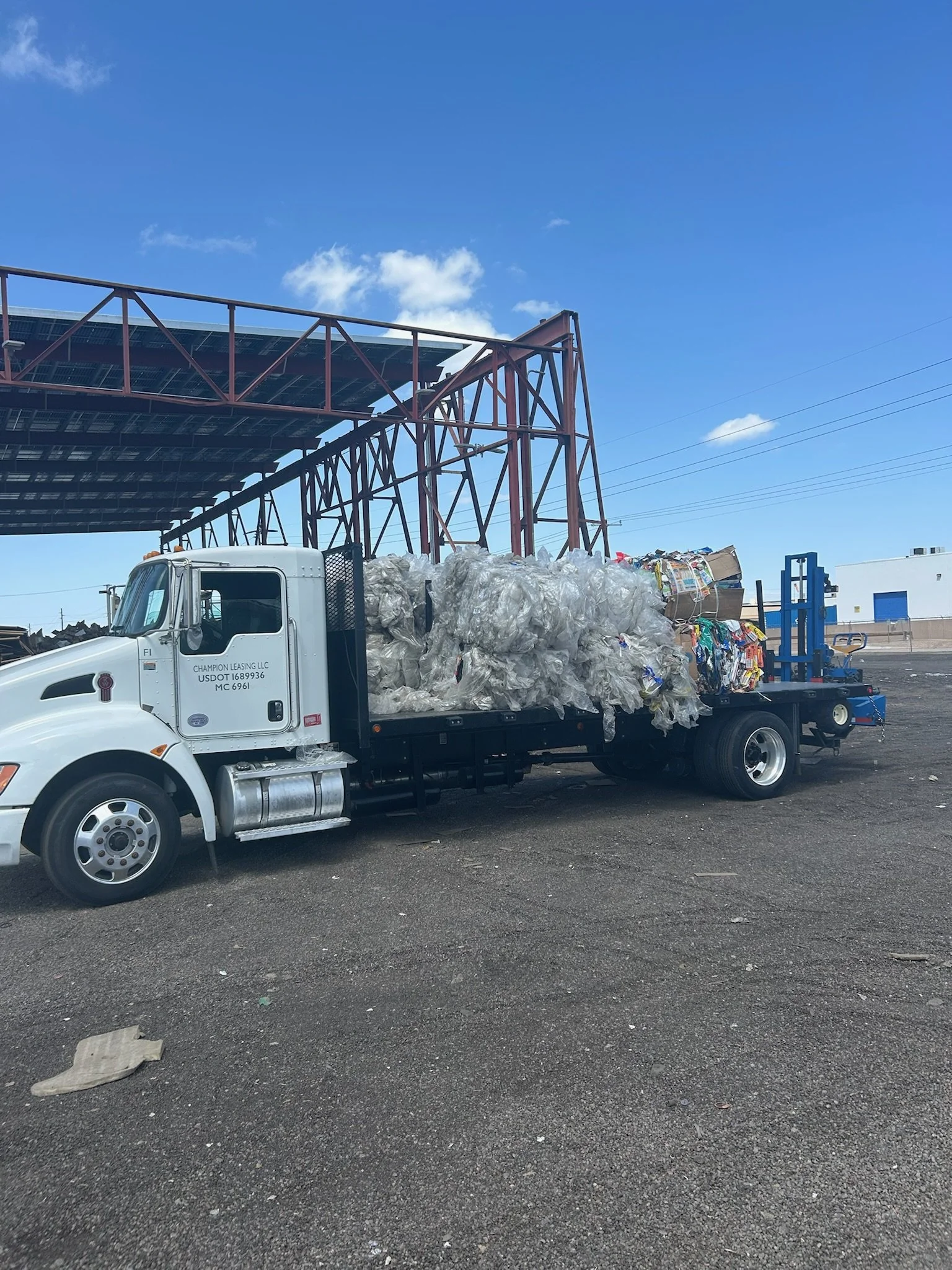
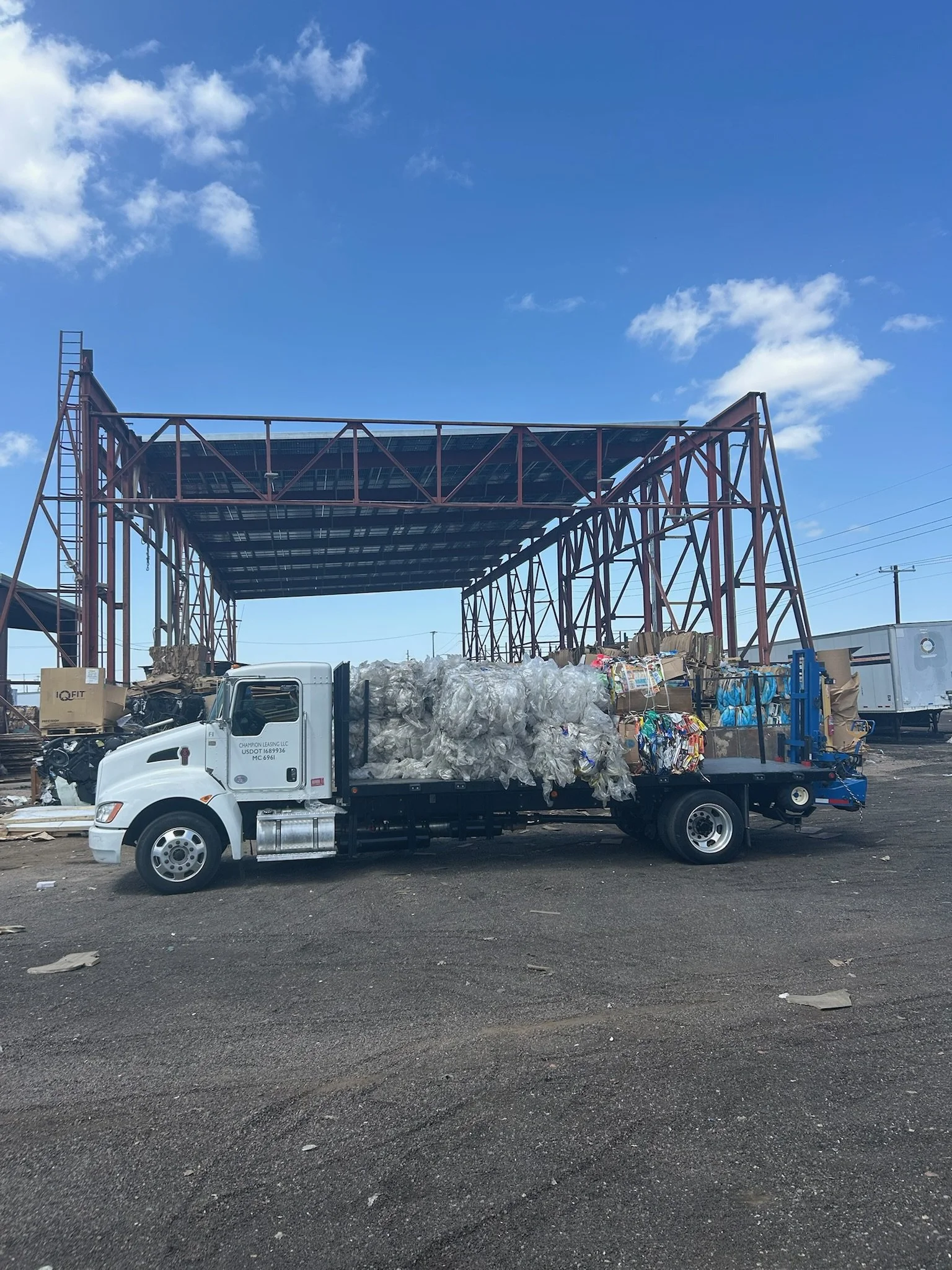
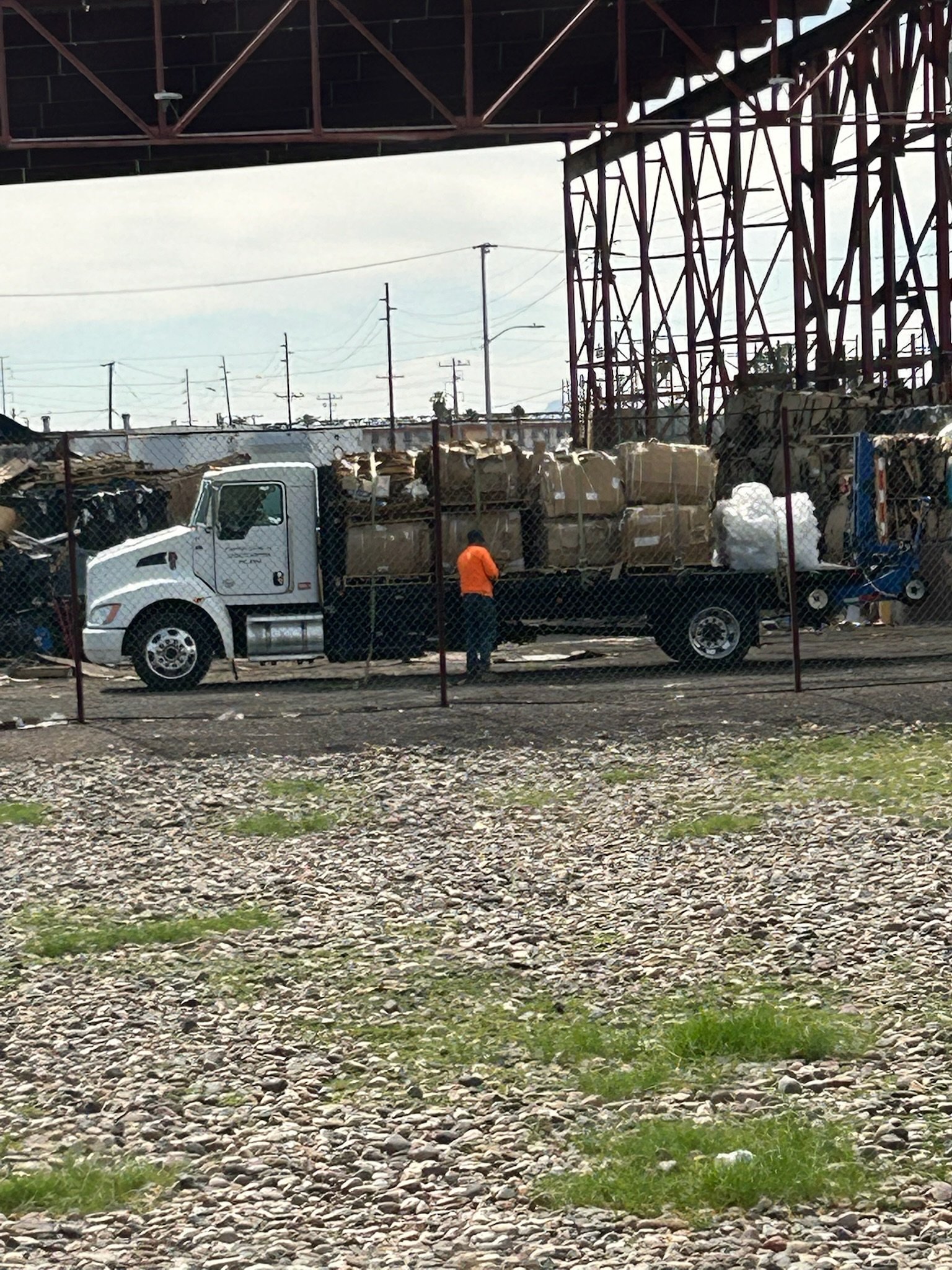
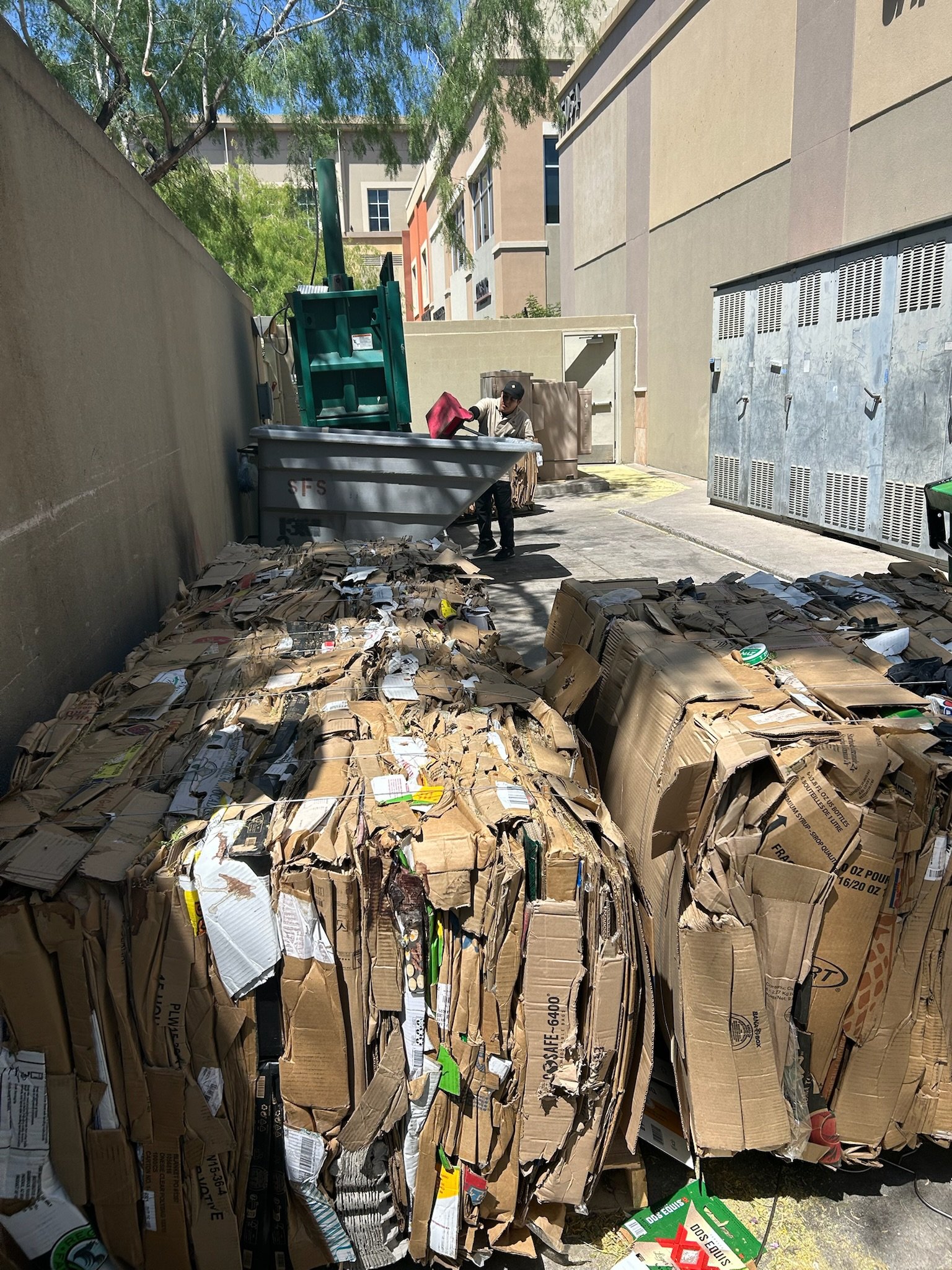
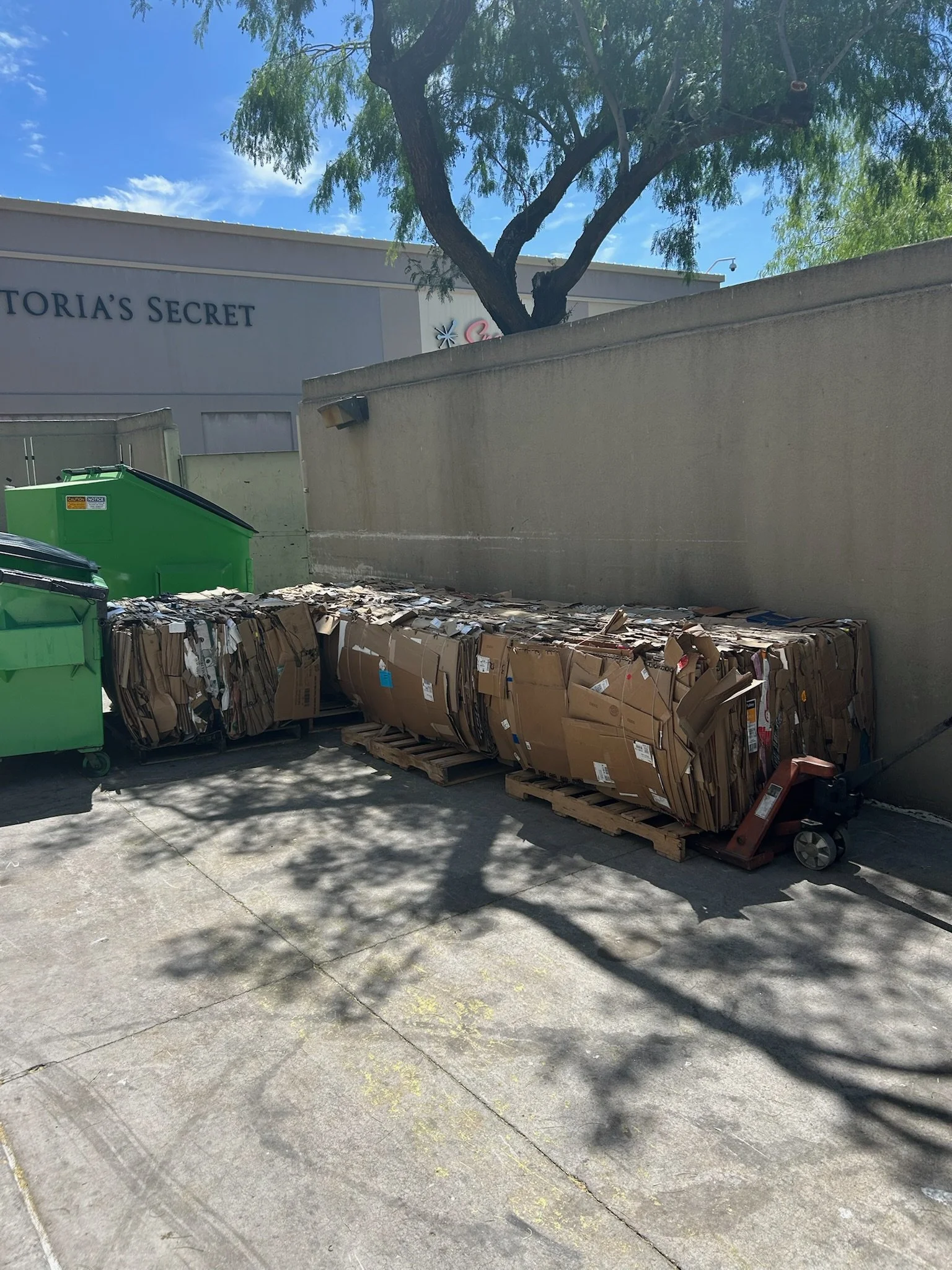
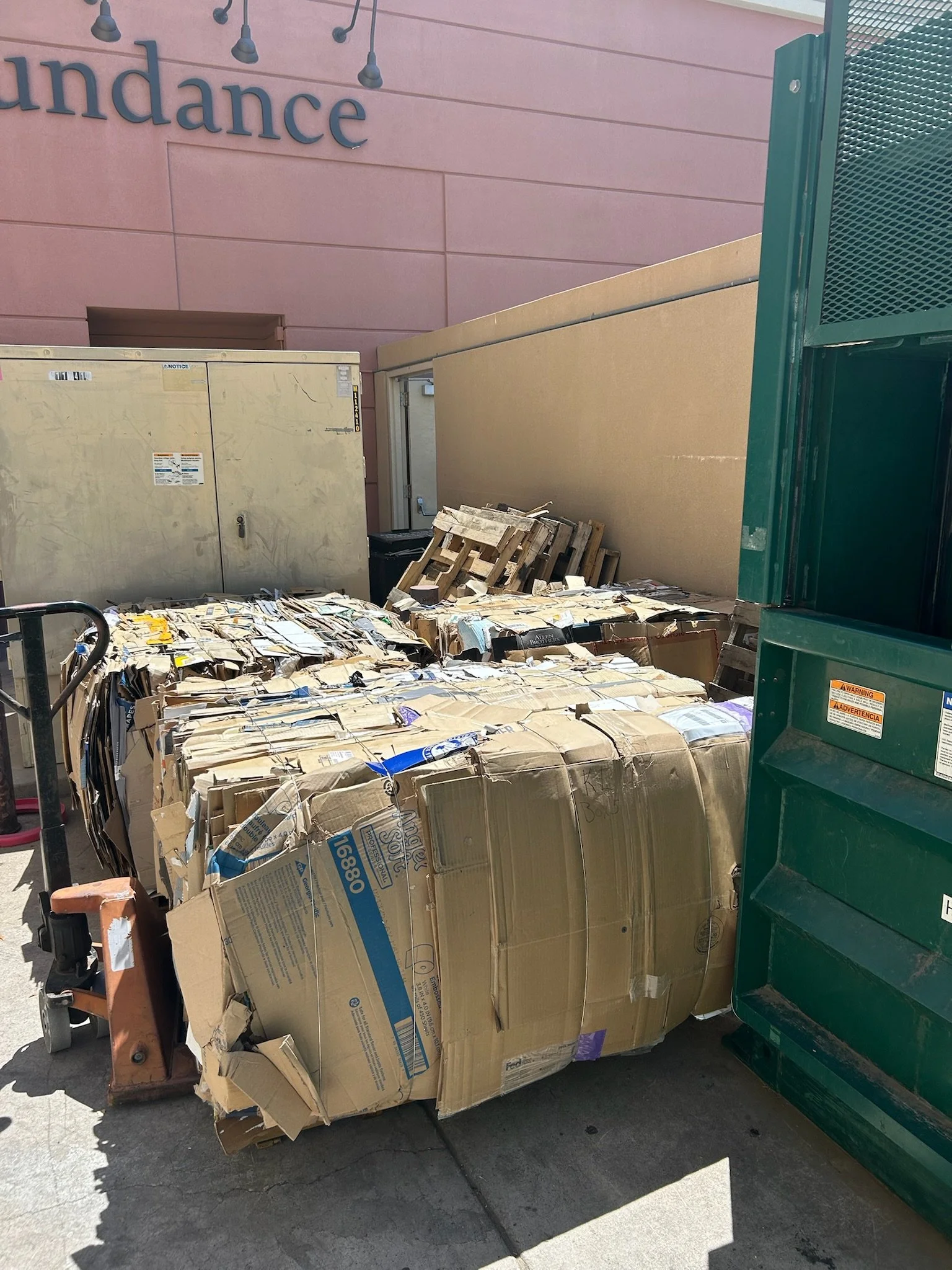
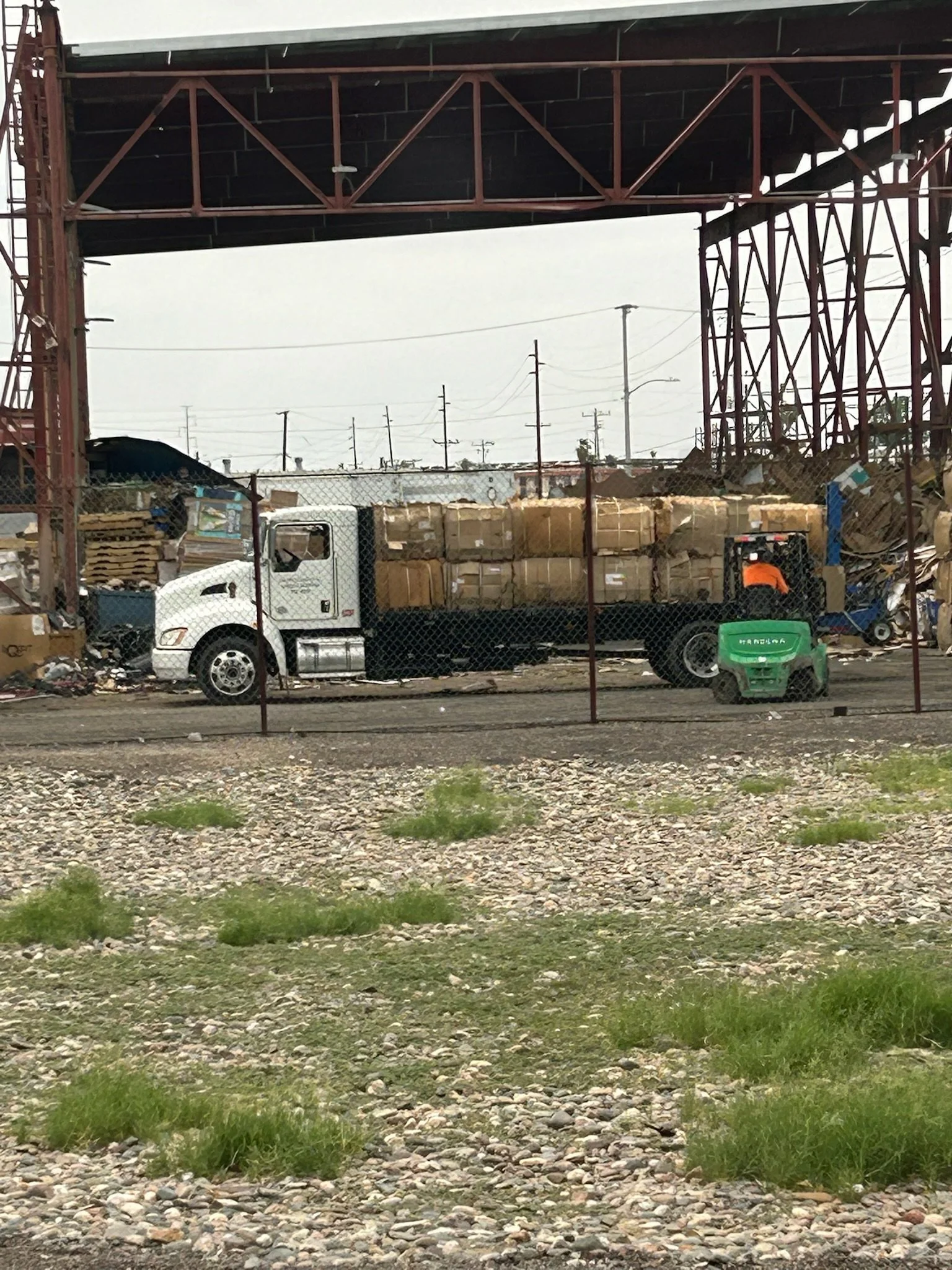
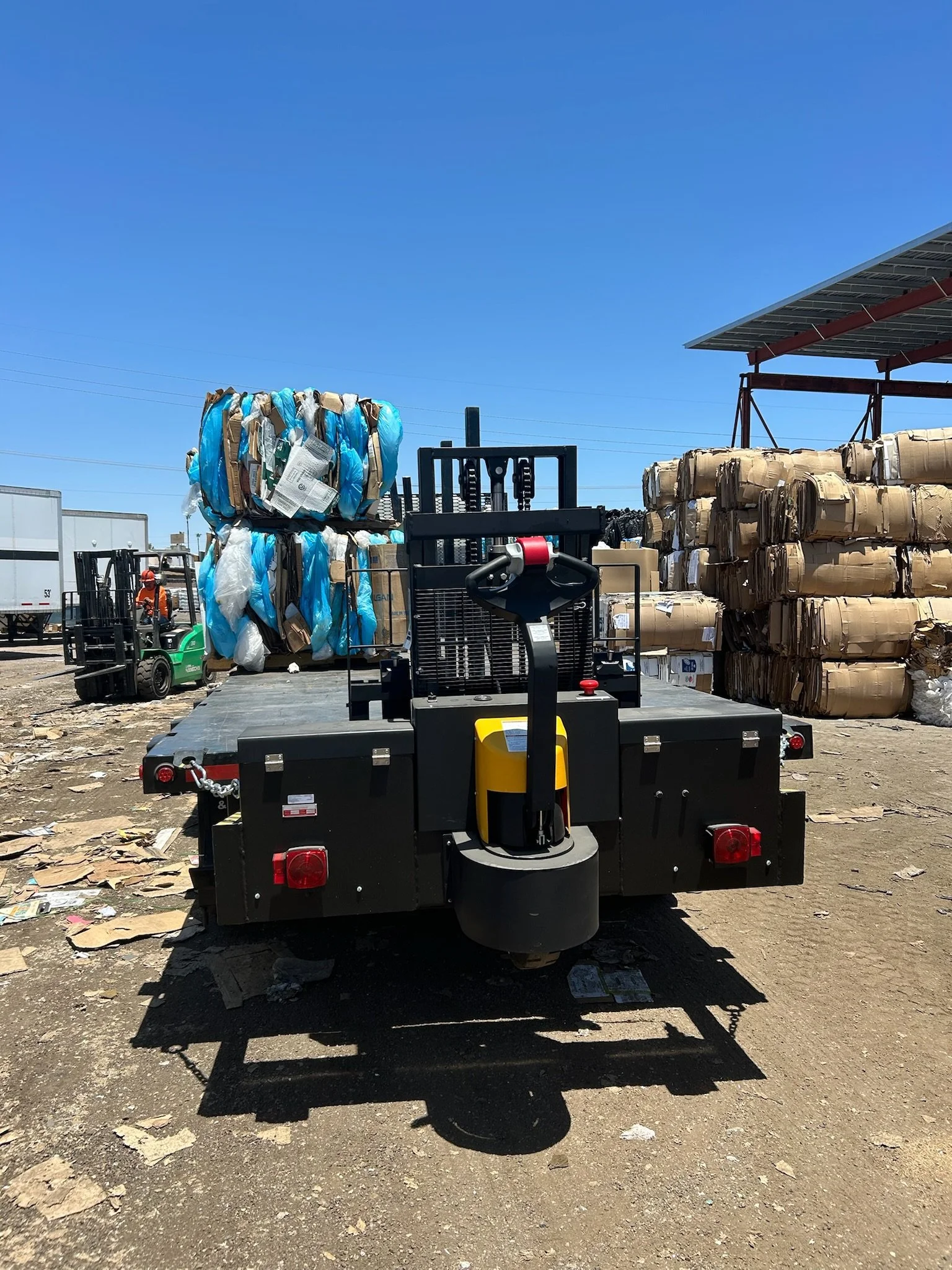
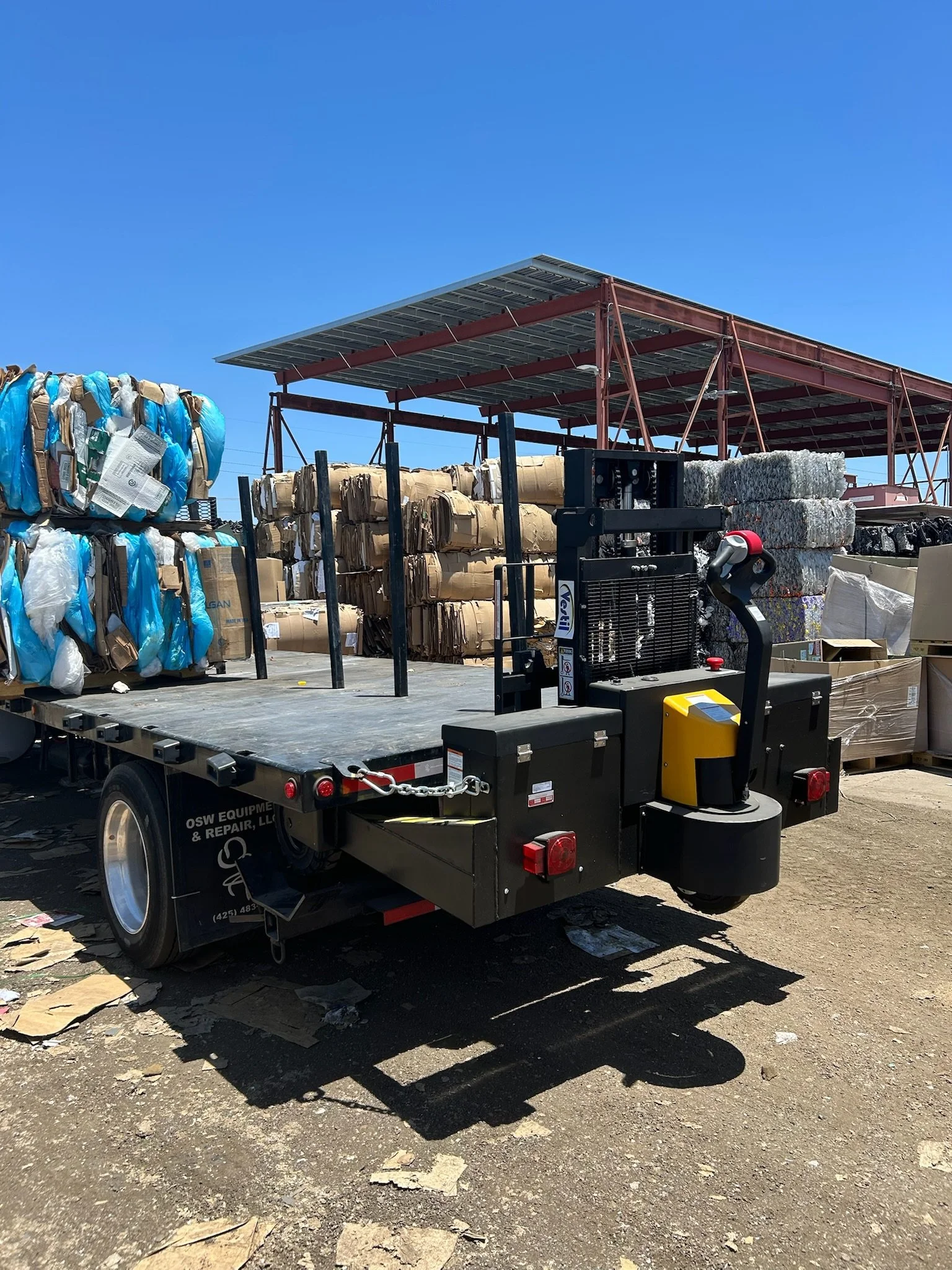
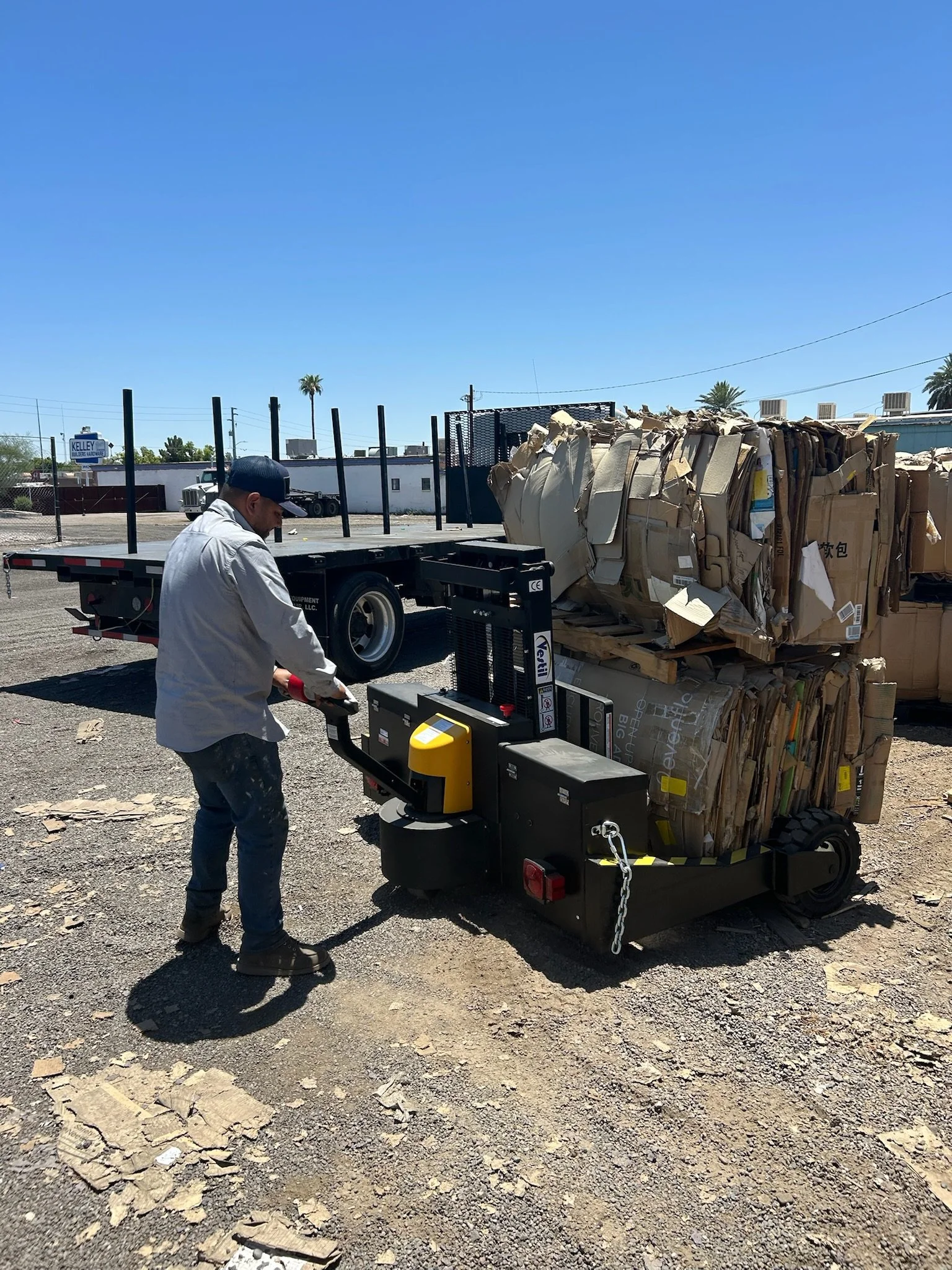
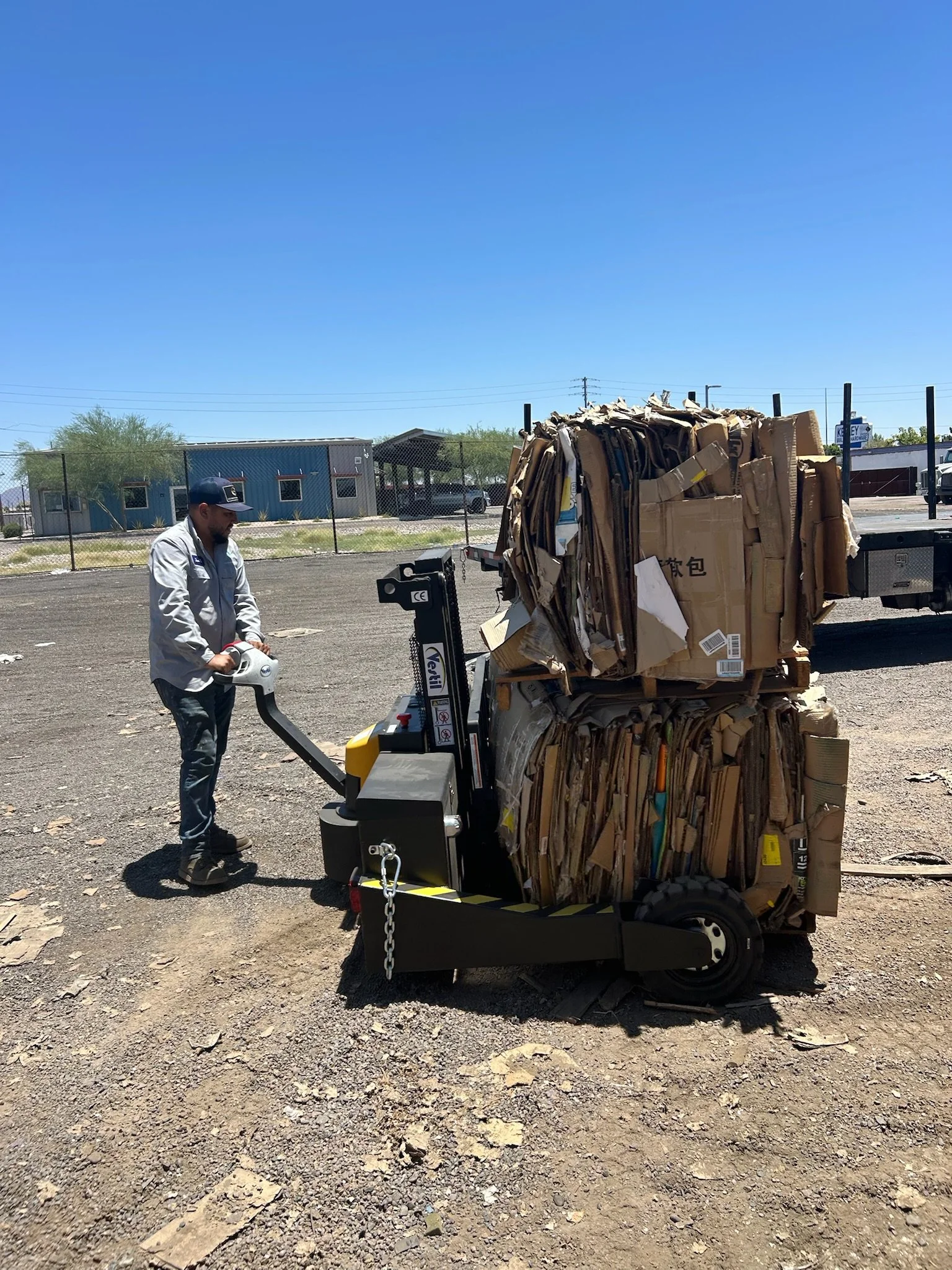
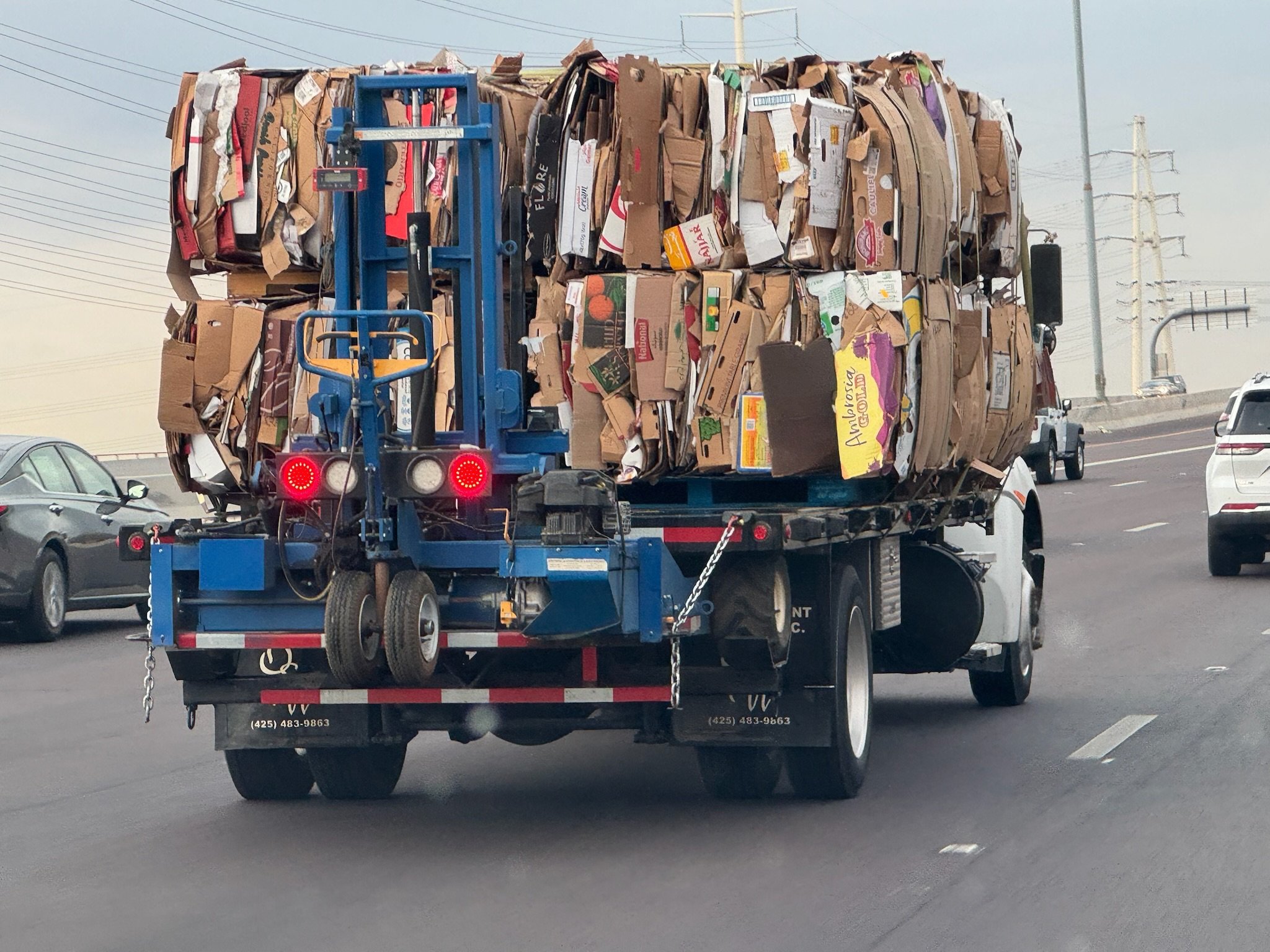
Instead of loose material, we install an on site baler that compresses recyclables into dense, stackable bales.
Now instead of paying for space, you’re managing volume.
Instead of weekly pickups, you schedule service when you actually need it.
That alone can reduce hauling frequency dramatically.
From Expense to Opportunity
Here’s where things really shift.
Baled material has value.
Cardboard, plastic, and aluminum are commodities. When they’re properly sorted and compacted, they can generate rebates.
So instead of just paying to remove waste, your business starts recovering money from it.
The Real Impact
Businesses that switch to a baled system often see:
Up to 50% reduction in waste costs
Fewer service interruptions
Cleaner, more organized facilities
Better sustainability tracking
And most importantly, control.
You’re no longer guessing.
You’re no longer overpaying.
You’re running a system that actually works for your business.